
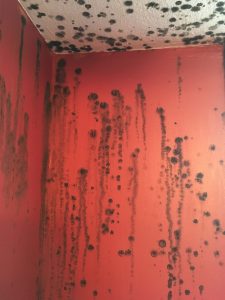
Most people think of mold as a maintenance problem. If they see a dark spot on a wall or notice a musty odor, the first reaction is often to clean it or paint over it and move on. While minor mold situations can sometimes be addressed quickly, there are cases where mold exposure goes far beyond property damage and begins affecting human health. When symptoms appear or indoor environments raise concerns, mold stops being just a building issue and becomes a medical one.
Health Symptoms Can Be the First Warning Sign
Many mold problems are hidden. Moisture behind drywall, under flooring, or inside ventilation systems can allow mold to grow without obvious visual signs. Occupants may begin experiencing persistent symptoms long before mold is ever discovered.
People often report chronic sinus congestion, coughing, headaches, fatigue, eye irritation, or worsening allergy and asthma symptoms. In workplaces, multiple employees may notice similar health complaints at the same time. At home, families sometimes find symptoms that improve when they leave the property and return when they come back.
When health patterns begin to align with time spent inside a building, it becomes important to investigate the indoor environment rather than assuming the issue is purely medical or seasonal.
Why Medical Mold Investigations Are Different
A medical mold concern requires more than a basic visual inspection. Doctors and healthcare providers may suspect environmental exposure as a contributing factor, but they rely on objective environmental data to better understand the situation.
Professional environmental testing evaluates structure, composition of building materials, maintenance, historical water events, moisture conditions, relative humidity and dew point, mold, bacteria, and potential contamination sources. The goal is to determine whether mold is present, how widespread it may be, and whether building conditions could contribute to occupant exposure. Based upon the age of the structure, asbestos and lead-based paint testing may also be required prior to active remediation to avoid contamination and exposure.
This type of investigation helps connect the dots between building science and health concerns. Instead of relying on assumptions, decisions can be based on measurable information.
The Importance of Independent Environmental Testing
Independent environmental consultants focus solely on testing and evaluation. They do not perform remediation services, which removes financial incentives tied to finding problems that lead directly to cleanup work. This separation helps ensure clients receive accurate and unbiased results.
Environmental testing may include air sampling, surface sampling, moisture assessments, and a detailed review of building systems that contribute to mold growth. Identifying the root cause is just as important as identifying the contamination itself. Without addressing moisture sources, mold problems often return.
Protecting Occupants and Moving Forward Safely
When mold becomes a medical concern, environmental testing provides clarity for everyone involved. Property owners gain a clear understanding of building conditions. Medical professionals receive data that can support treatment decisions. Employers and facility managers reduce liability by taking responsible action based on verified findings.
Testing also plays a critical role after remediation. Post Remediation Verification (PRV) testing confirms whether conditions are safe before occupants return, providing confidence that the problem has truly been resolved.
Mold issues are not always simple cleaning projects. In certain situations, they represent environmental health concerns that require careful investigation. Professional environmental testing helps uncover the truth, guiding safe solutions that protect both people and the buildings they occupy. If you’re in need of medical mold investigation, reach out to us today. Contact Axiom Service Professionals at 816-678-7894 or visit us online for more information!

Recent Comments