
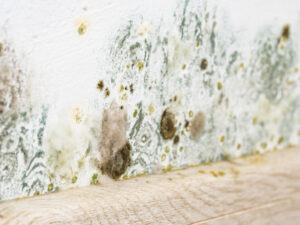
When mold shows up in a home or commercial building, most people focus on one thing: getting rid of it. Mold is visible, it smells unpleasant, and it has a well-known reputation for causing discomfort and indoor air quality issues. What many property owners do not realize is that mold growth is often only one part of a much larger moisture problem. In many situations, harmful bacteria are growing right alongside the mold, quietly creating health risks that standard testing may never detect.
This is why bacteria testing is becoming an essential part of professional mold investigations. At Axiom Service Professionals, we have seen firsthand how bacterial contamination can go unnoticed for months or even years until someone becomes sick or persistent moisture issues continue to return. A complete investigation must consider all the microbial activity present, not just the mold you can see.
Below is a clearer look at why bacteria testing belongs in every thorough mold assessment.
Moisture Creates a Perfect Environment for Mold and Bacteria
Mold spores need moisture to colonize, and bacteria behave in a very similar way. Any environment that stays damp for an extended period becomes a prime breeding ground for both. Water from a leak, flood, roof failure, plumbing issue, or chronic humidity does not stay in one place. It migrates into building materials, under flooring, behind walls, and into insulation. Once moisture takes hold, different types of microorganisms begin competing and thriving in the same space.
While mold often shows up on surfaces where it is easy to spot, bacteria can remain hidden. They can settle into porous materials, absorb into drywall, cling to dust, or spread through areas unaffected by visible mold. Their presence is not always obvious, and without proper sampling, they may never be identified at all.
Not All Water Damage Is the Same
Many property owners treat water damage as a simple cleanup problem. In reality, the source of water has a lot to do with the overall health risks. There is a significant difference between a clean water leak from a supply line and a sewage backup from a drain or broken pipe. Sewage contamination introduces harmful bacteria that do not naturally disappear once the water is gone.
Even a minor toilet overflow or drain line leak can introduce bacteria such as E. coli, Enterococcus, and other coliform organisms. These contaminants can end up in carpet padding, wall cavities, subfloors, and HVAC systems. If bacteria testing is not performed, a property can appear dry and “clean,” yet remain unsafe.
Mold and Bacteria Often Spread Farther Than the Eye Can See
One of the biggest surprises for property owners is how far mold and bacteria can travel from the original source of moisture. Air movement, foot traffic, and ventilation systems help distribute microorganisms throughout a building. Even if the mold growth appears limited to one room, bacteria may already be present in adjacent spaces.
We regularly find bacterial contamination in areas that occupants believed were unaffected, including:
- Behind or beneath cabinets
- Inside wall cavities and insulation
- Under tile or laminate flooring
- Within porous furniture and textiles
- Inside heating and cooling systems
The Health Effects of Bacteria Can Be as Damaging as Those from Mold
Mold is often linked to CIRS, gastrointestinal illness, neurolgical issues, respiratory irritation, allergy symptoms, and general discomfort. Bacteria, however, can also trigger the same or similar health impacts. Certain strains of Bacteria associated with water damage can lead to gastrointestinal illness, skin infections, respiratory issues, and problems for people with weakened immune systems. When sewage is involved, the health risks increase.
In medical mold investigations, where occupants already have health sensitivities, bacteria often play a larger role than expected. Many people experience symptoms that mold alone cannot explain. Bacteria testing helps identify the full picture and prevents inaccurate conclusions about the cause of illness.
Skipping Bacteria Testing Can Lead to Incomplete Remediation
When remediation companies design their plan of action, they rely heavily on environmental test results. If bacteria are not part of the investigation, they will not be part of the cleanup plan. This often leads to problems later.
This can result in:
- Cleaning strategies that are not strong enough
- Persistent odors or health complaints
- Unsuccessful clearance testing
- Future mold growth
Skipping bacteria testing can ultimately cost more money and extend the time a building remains unsafe or uncomfortable.
Independent Testing Protects Property Owners
Axiom Service Professionals operates solely as a third-party environmental consultant. We do not remove mold, perform cleanup, or benefit financially from recommending remediation work. That independence ensures that our findings are based on evidence, not profit.
Independent bacteria testing helps property owners by providing:
- Accurate, unbiased reporting
- Proper identification of all contaminants
- Clear remediation protocols tailored to actual findings
- Strong documentation for insurance claims
- Peace of mind knowing nothing was overlooked
When a mold problem is discovered, accuracy matters. Missing bacterial contamination can lead to repeated remediation, unnecessary repairs, and ongoing occupant discomfort.
A More Complete Approach to Mold Investigations
A mold investigation that includes bacteria testing gives property owners a fuller understanding of what is happening inside their building. Since moisture encourages both organisms to thrive, evaluating both provides a more reliable assessment and a more successful path toward restoring a safe environment.
By taking bacteria seriously during a mold investigation, property owners reduce health risks, avoid future problems, and ensure their remediation dollars are being spent wisely.
Contact Axiom Service Professionals at 816-678-7894 today or visit us online for more information!

Recent Comments